Curriculum and programme design
Translate goals and standards into clear learning outcomes, journeys, modules, activities and progression.
- Learning outcomes and competency maps
- Course and module architecture
- Facilitator and learner journeys
Corporate L&D Consultancy in India · E-Learning and Skill Development
Consultancy Mantra designs learning systems and skill-development programmes for real roles, institutions and delivery environments. Work can include curricula, digital learning, assessment, facilitation, practice and performance support.
E-Learning & Learning Design
We begin with the learner, the context and the performance outcome, then shape the curriculum, experience, assessment and delivery model.
Translate goals and standards into clear learning outcomes, journeys, modules, activities and progression.
Combine content, interaction, practice and human support in an accessible learning experience.
Design assessments and feedback loops that show application, not just recall or completion.
Skill Development
People build real skill through practice and feedback, not information alone, and it needs support from managers to stick. Our guide explains when to choose training or wider capability building.
Create development journeys that connect expert input with practice, feedback, reflection and sustained application.
Align learning pathways with real roles, decisions and behaviours instead of generic training calendars.
Delivery in context
The right mix may include digital content, expert explanation, peer exchange, guided practice and feedback.
Selected learning work
These examples describe documented contributions and practice settings. They do not imply quantified outcomes or endorsement by the organisations named.
For DigitalSkills2Succeed micro-credential courses, work delivered through The Learning Designers Community for a GIZ-supported initiative began with the learning purpose and the decisions participants needed to make. The contribution connected course architecture with activities, assessment and quality review so the pieces formed one coherent learning journey.
This is the kind of assignment where a content outline is only a starting point. Learning outcomes, sequencing, practice and assessment need to reinforce one another, while the digital format must remain understandable without a facilitator constantly present.
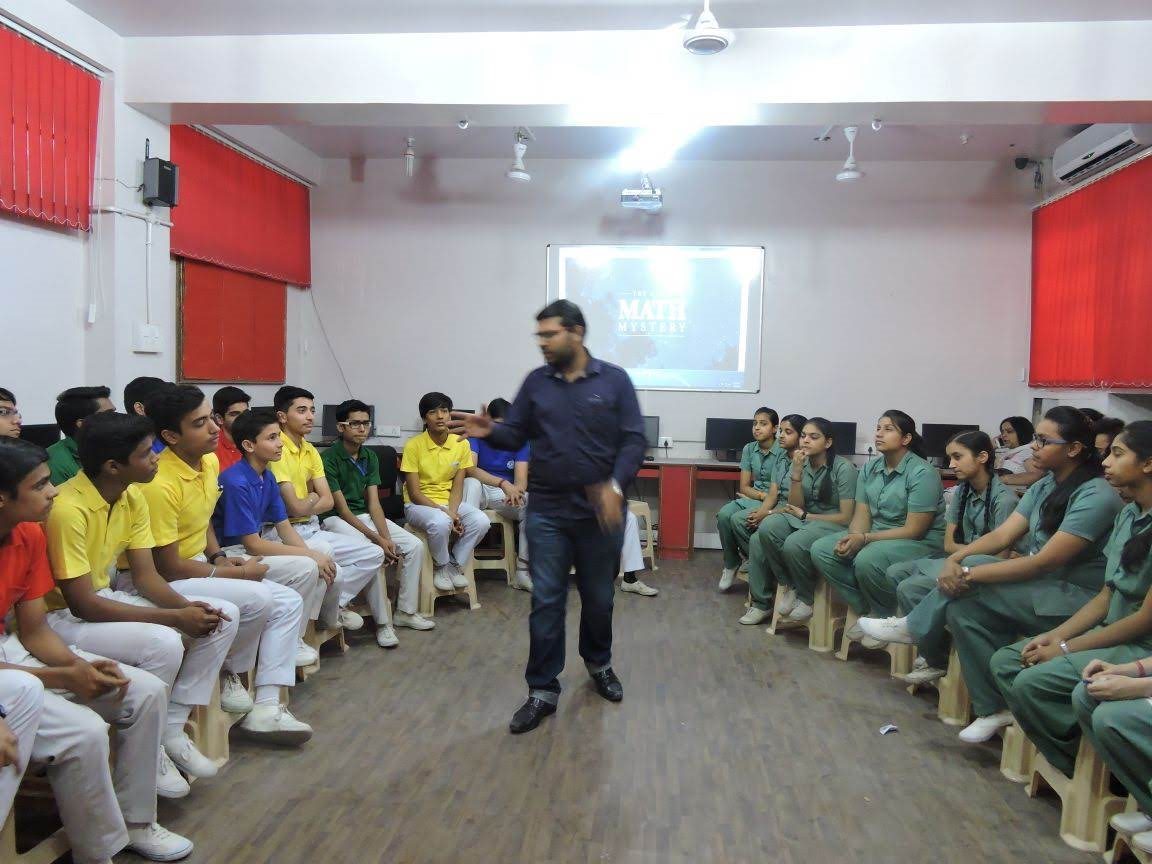
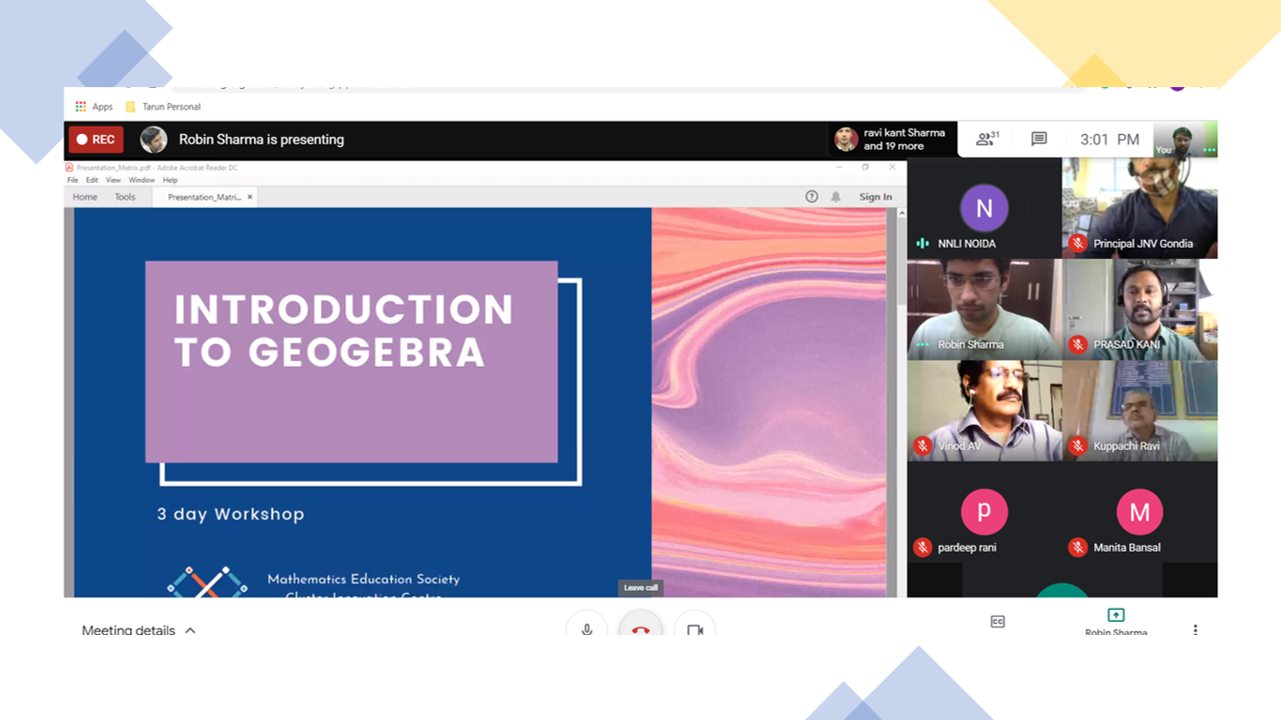
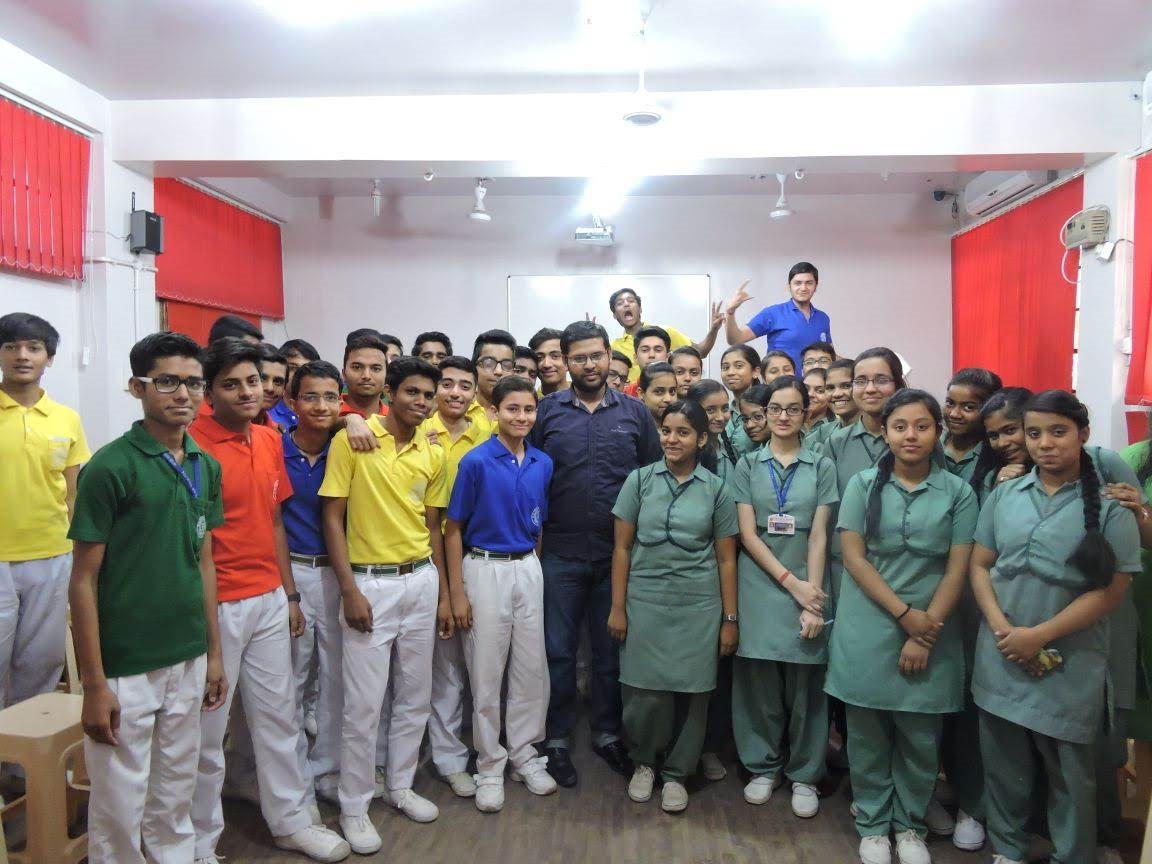
Practice-led mathematics technology workshops with Navodaya Vidyalaya Samiti educators used both in-person and online formats. The documented work combined tool demonstration with guided classroom applications, faculty practice and professional discussion rather than treating software familiarity as the final outcome.
The example shows why capability building needs an operating context. Participants must connect a tool to the subject they teach, try relevant tasks, discuss how it may fit classroom practice and leave with a clearer route for continued application. Photographs and a three-day online workshop record document the setting and contribution without making an unsupported performance claim.
How we deliver learning and skill engagements
This workflow sits within the wider Consult → Build → Amplify process.
Identify the audience, task, current practice, barriers and intended capability outcome.
Shape the journey, curriculum, practice, facilitation, tools and assessment around the operating context.
Enable participation, application and feedback through digital, blended or in-person formats.
Strengthen internal ownership and use evidence to improve the learning system over time.
Frequently asked questions
The right learning response depends on the performance need, audience and delivery conditions rather than a standard course format.
Yes. We can review an existing curriculum, digital course, assessment or facilitator journey, identify where the experience is not supporting the intended performance, and focus the redesign on the parts that need to change.
The choice follows the learner context, access conditions, practice required and support available. Digital content can provide consistency and reach; live facilitation, peer exchange and coached practice are useful where interpretation, judgement or feedback matter.
We connect assessment to what people need to do. Depending on the mandate, that may include performance tasks, rubrics, work products, observation, feedback or evidence of application, supported by learning analytics where they are useful.
Ownership can be designed into the engagement through facilitator resources, train-the-trainer support, shared delivery, communities of practice and clear routines for review. The aim is a learning system the organisation can continue and improve.
Last updated: 5 August 2026
E-Learning & Learning Design · Skill Development
Tell us about your e-learning, curriculum, faculty-development or workforce-skilling needs.