Capability and capacity building
CA-PRAXIS™
Use when people, teams or institutions need to perform an important practice more reliably and sustain it.
Can the client perform and sustain the practice?

Capability and capacity building
CA-PRAXIS™ maps what people need to do, where the practice must work, and how reliably it is demonstrated. It then helps the client build the capacity to sustain it.

One clear job for each framework
This separation removes the earlier overlap. A mandate may use either framework. Use both only when the client needs both a new solution and the capability to operate it.
Capability and capacity building
Use when people, teams or institutions need to perform an important practice more reliably and sustain it.
Solution design and delivery
Use when the mandate is to design, build, test and deliver a course, platform, workflow, service or operating solution.
CA-PRAXIS is not a course-development model. SEED is not a capability score.
The CA-PRAXIS model
The infographic starts with a useful practice, defines what competent performance requires, names the work context, verifies reliability through evidence, and establishes what will keep the capability working.
Name the useful work outcome and the practice that produces it.
Domain and outcomeCombine the required skills, knowledge, judgement and behaviour.
Competency definitionName the role, work setting, conditions and expected standard.
Role and contextUse authentic work and evidence to locate the verified level.
Capability levelEstablish ownership, routines, tools, leadership and governance.
Institutional capacityDepth of the model
Each mandate selects the relevant domain, competency families, and specific skills. The examples below provide a starting structure, not a closed taxonomy.
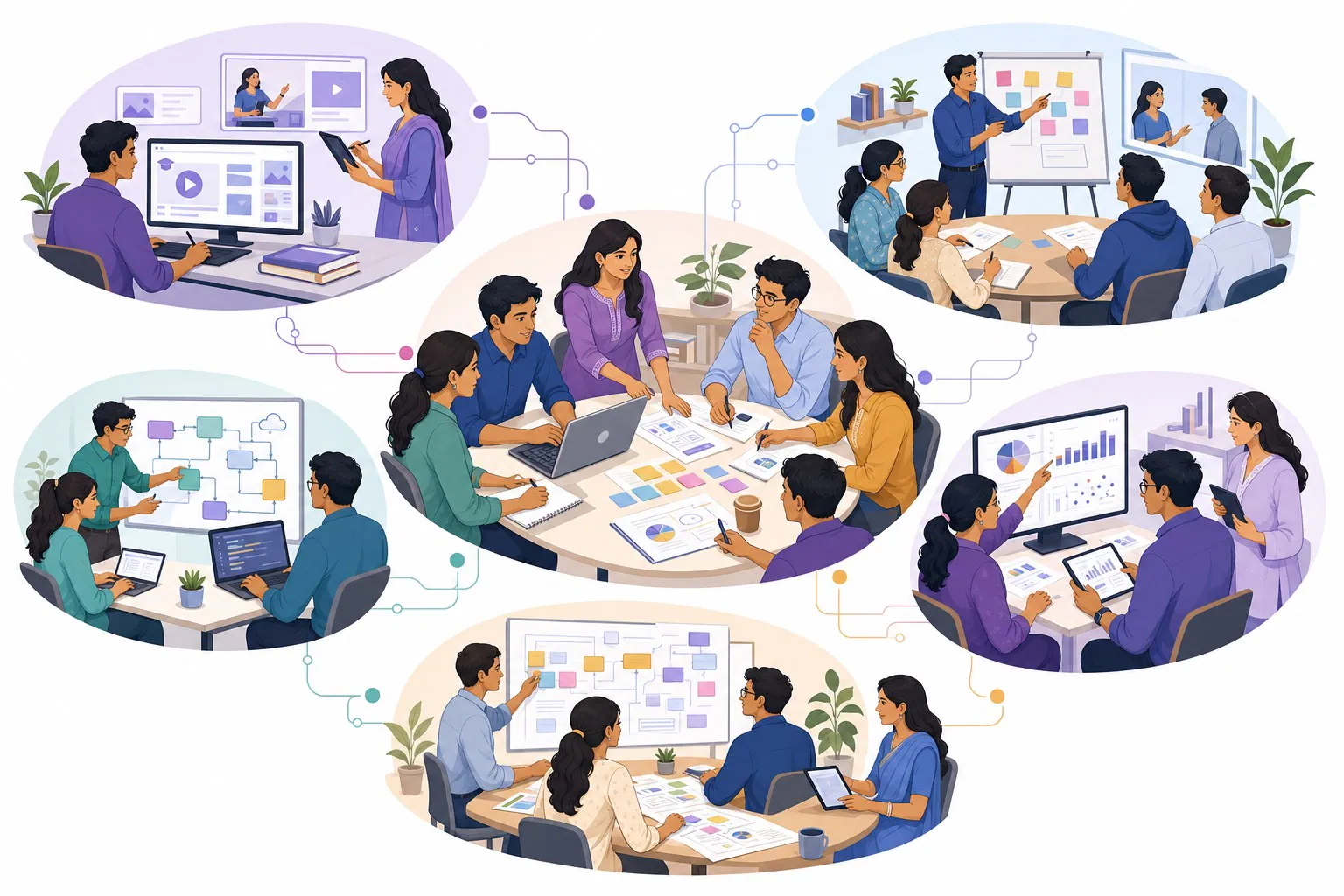
The language of the framework
CA-PRAXIS keeps these four ideas separate. This prevents training completion from being mistaken for capability and prevents strong individuals from being mistaken for institutional capacity.
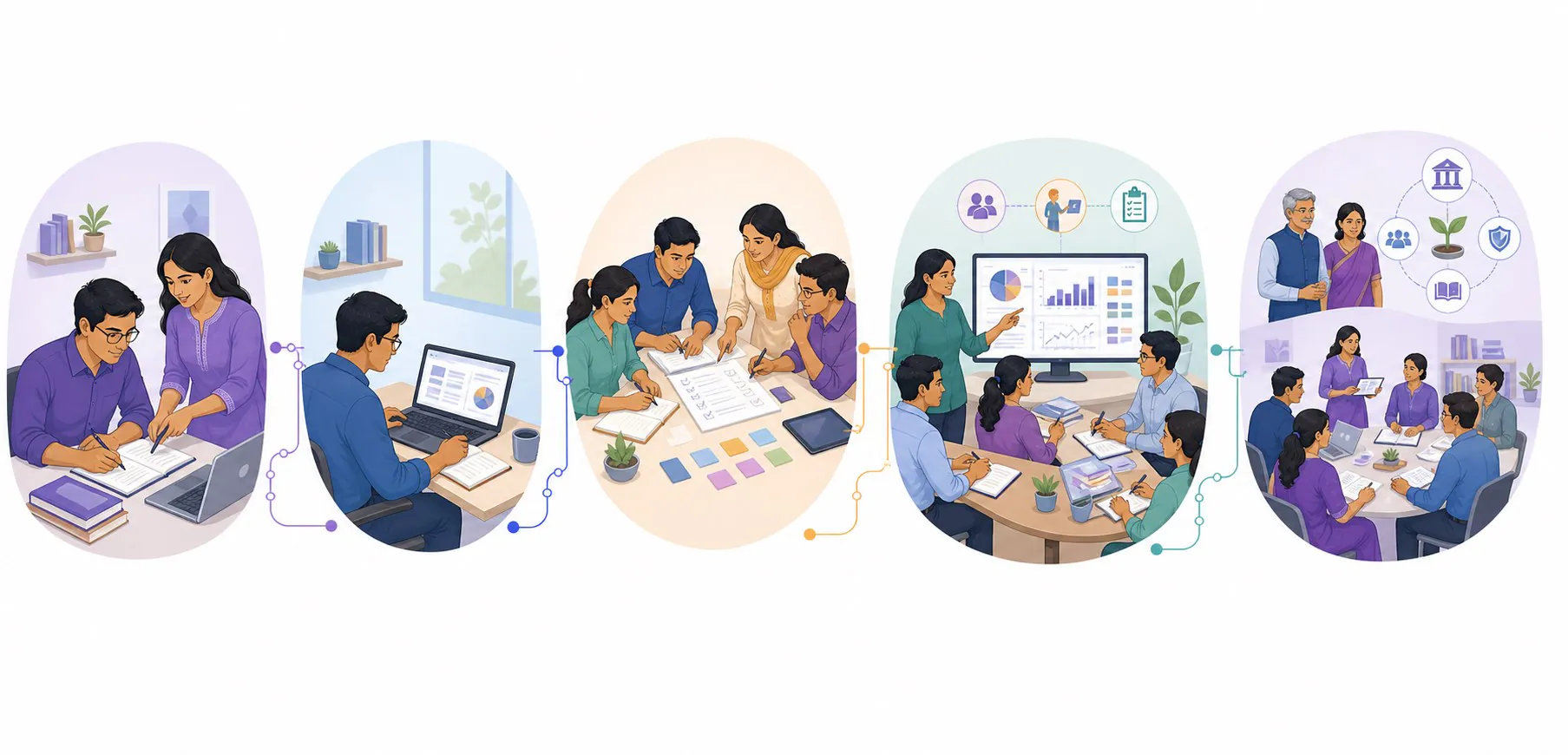
Working with a 2D slice
An engagement uses a readable working view: one selected competency, the roles and work setting where it must be used, the target quality, and the evidence needed to verify progress.
Selected slice
The CA-PRAXIS process
The process is simple enough to explain in one minute. Evidence is defined early, collected through practice, and reviewed before any level is agreed.
Name the outcome, capability, people, context, quality, and intended evidence.
Review current practice and the system conditions that help or block it.
Use real or realistic tasks, feedback, coaching, and repeated application.
Review evidence together and agree the highest level fully supported.
Transfer ownership, strengthen system support, and set the next target.
Proposed capability ladder
The levels describe what is demonstrated. They are not course stages, job grades, or a measure of attendance. The right target depends on the mandate.
Understands the practice and why it matters.
Completes an authentic task with structured support.
Applies the practice independently in the real workflow.
Repeats the practice to standard and helps protect quality.
Roles, tools, routines, governance, and ownership keep it working.
Evidence before score
Training may support capability, but attendance and course completion do not prove that a person or institution can perform reliably in real work.
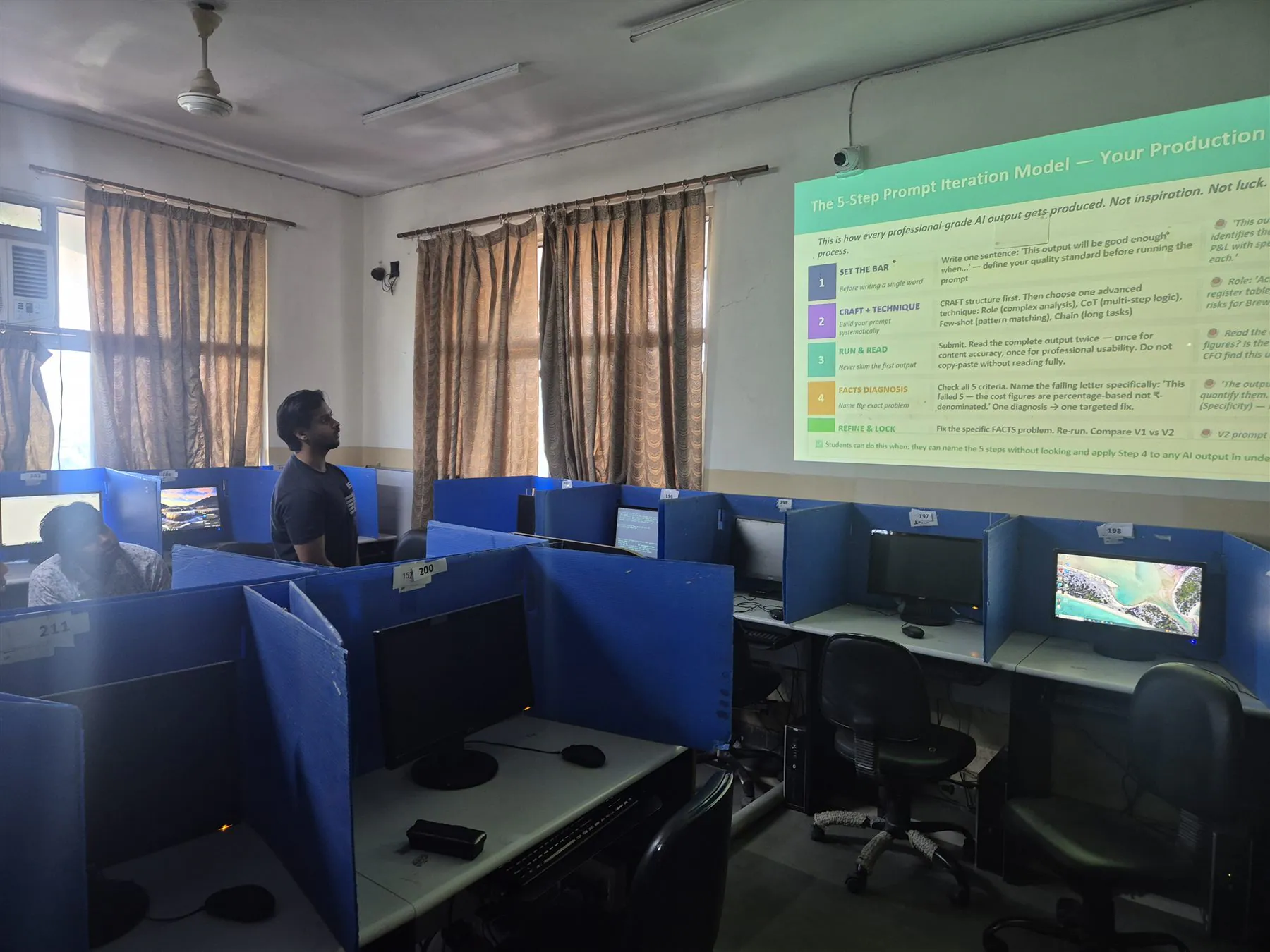
Can people explain the practice, purpose, and key decisions?
Can they complete a real or realistic task with agreed support?
Do work products, observations, or system records meet the quality standard?
Are roles, routines, tools, governance, and ownership operating without dependence on one person?
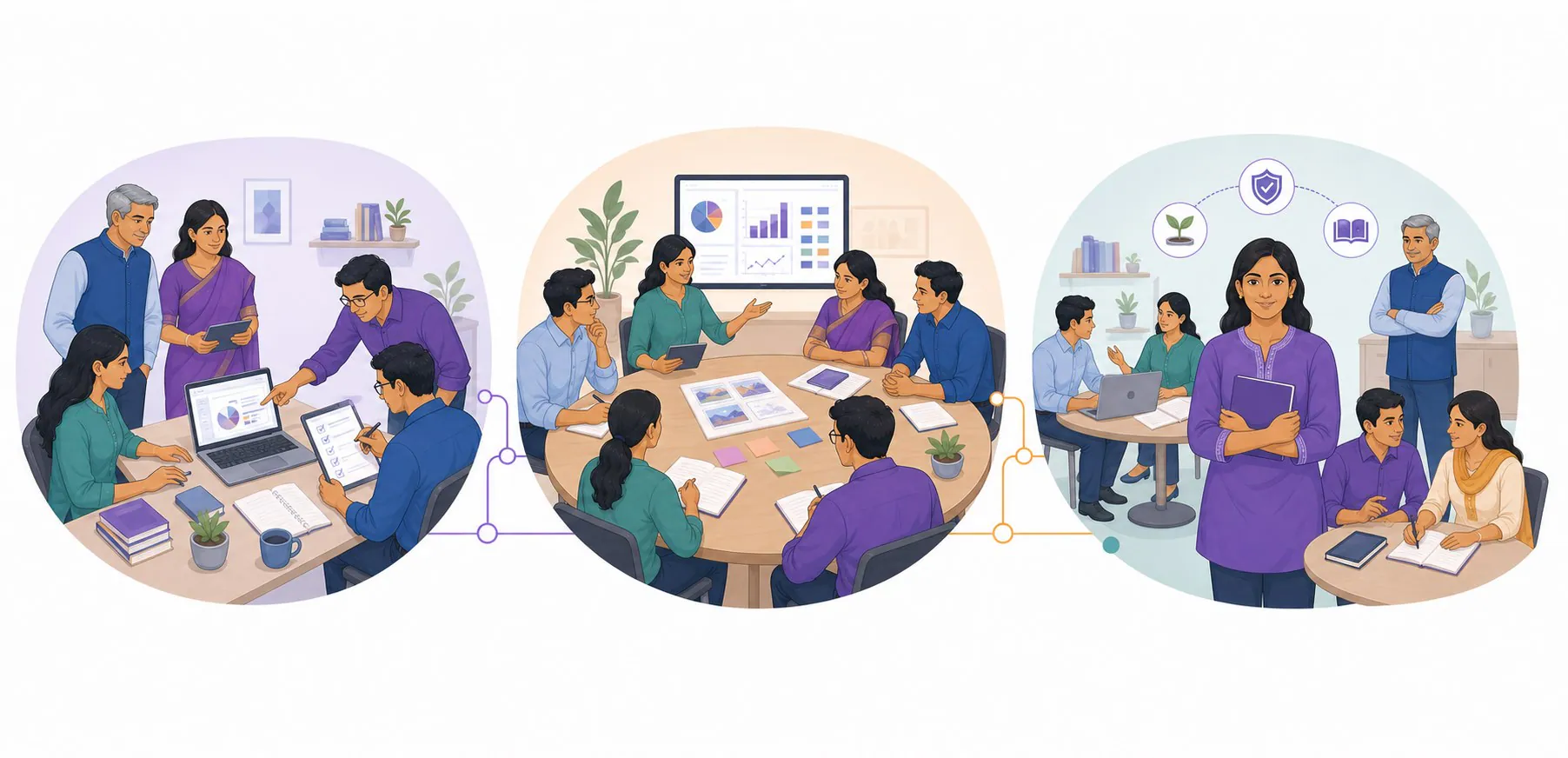
Who owns what
The role model separates ownership from facilitation. Evidence is reviewed together. Capability ownership stays with the client before, during, and after the engagement.
Two 2D application views
Each example selects a domain competency, names the roles and system support in scope, and uses evidence to locate current and target capability levels.
E-learning · faculty development
Capacity result: faculty practice grows while peer support, programme review, tools, and institutional ownership are established.
Skill Development · employability
Capacity result: individual workplace readiness is supported by trainers, placement practice, employer feedback, and institutional routines.
Choosing the right framework
The five Consultancy Mantra domains remain independent. The framework choice depends on the mandate, not the domain label.
Choose CA-PRAXIS when
“Can our people and institution do this reliably?”
Choose SEED when
“What should we design, build, test, and improve?”
Framework governance
These rules protect the boundary, language, scoring and ownership of the framework whenever it is used or adapted for a new engagement.
CA-PRAXIS is only for capability and capacity building. SEED owns solution creation.
A named practice combines competency, work context, evidence level and system conditions. Capacity exists when the required people and systems can sustain it.
Skill, competency, capability, and capacity use the four plain definitions in this handbook.
Define, Diagnose, Practise, Verify, Sustain. Consult, Build, Amplify remains the quieter company philosophy beneath it.
Aware, Guided, Practising, Reliable, Sustained.
The client owns the outcome and continuation. Consultancy Mantra guides the method and delivery. Evidence is reviewed jointly.
Use “verified through agreed evidence”. Do not use “certified” or imply external endorsement.